Smart Locks After Ring’s 2026 Launch: What Renters and Homeowners Should Verify
Ring introduced its first smart lock on October 7. Before replacing a deadbolt, check door fit, lease rules, power backup, household access, privacy, and manual entry.
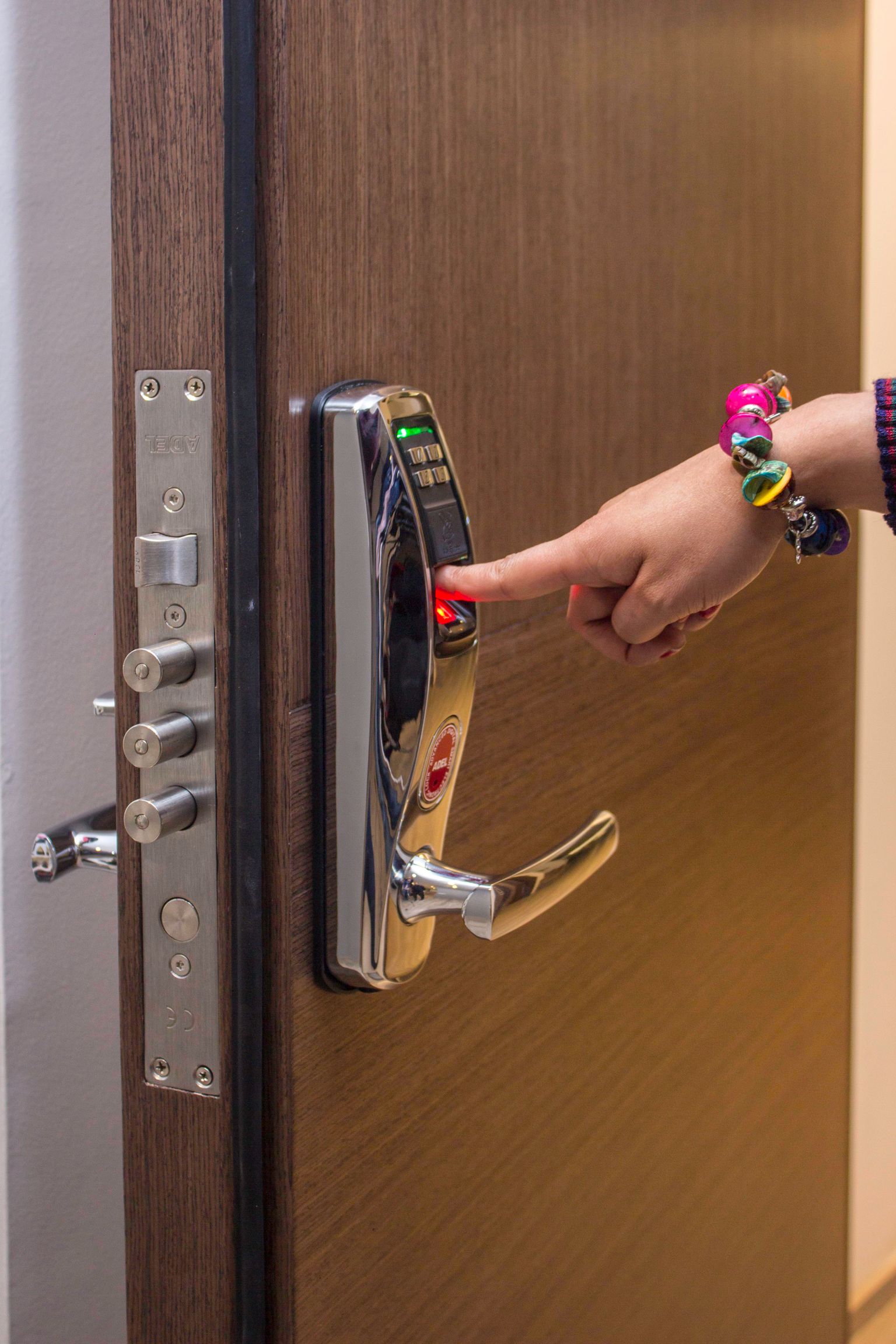
Editorial photograph by Gustavo Galeano Maz / Pexels. The image illustrates the category, not a tested product or model.
Smart locks promise to remove key handoffs, but a front door is not an ordinary gadget. It has to work for every resident, guest, service provider, and emergency exit—even when a phone is missing or the battery is flat.
Why smart locks are in the spotlight
Amazon announced Ring’s first smart lock on October 7, describing a built-in hand-powered charging option and multiple ways to enter. That is a notable product launch, not a universal recommendation. Read the announcement through Amazon’s official device page, then confirm compatibility, availability, account requirements, and support on the exact product listing.
Start with the door, not the app
- Physical fit: Identify the deadbolt, backset, door thickness, bore holes, trim clearance, handing, and whether the bolt moves freely without pushing the door.
- Permission: Renters should obtain written approval before changing hardware. Condos and managed buildings may have separate exterior-door or access rules.
- Fallback: Decide how residents enter during a dead battery, lost phone, service outage, or account lockout.
- Guest access: Check how codes are created, limited, revoked, and reviewed without exposing more household activity than necessary.
Compare the whole ownership system
Ask whether remote access requires a hub or subscription, which voice assistants are supported, how updates are delivered, and what data appears in activity history. Check battery type, low-power warnings, weather rating, rekeying options, warranty, and what happens if the manufacturer ends cloud support.
Compare smart-lock formats
Verify door compatibility, installation method, backup entry, account sharing, privacy controls, power options, and return terms.
Browse current smart-lock optionsConvenience cannot replace an exit plan
Do not force a stiff bolt and assume the motor will solve alignment. Avoid creating one shared household password or leaving permanent codes active for temporary visitors. Follow the manufacturer’s installation instructions and applicable building and fire-safety rules.
Bottom line
A smart lock earns its place when it fits the door, has a tested manual or power fallback, and makes access easier for the whole household. If permission, compatibility, or emergency entry is unclear, keep the existing lock until those questions are resolved.
Related tech guides

Amazon Alexa Tablets in 2026: Choose for the Family Routine, Not the Launch Buzz
Amazon announced new Alexa tablets on October 8. Compare profiles, app access, privacy controls, storage, and who will actually use the screen before upgrading.
· 7 min read
Prime Big Deal Days 2026: Build a Price-First Shopping Plan Before October 6
Amazon has confirmed its October sale dates and new AI shopping tools. Here is how to set target prices, audit subscriptions, compare sellers, and avoid buying a discount instead of a product you need.
· 7 min read
iPhone 18 Pro Accessories: What to Buy Before Delivery—and What Can Wait
Preorders are underway and accessories are filling carts. Use this compatibility-first checklist to choose a case, charger, screen protector, power bank, and protection plan without paying twice.
· 7 min read